
How to Help a Survivor of Domestic Violence
Learn how to support someone in crisis with compassion, safety, and care. Remember, always consult a professional domestic violence advocate before taking any steps.
Resource Length: 30 mins | Published 2025
Download the full report now:
If you are in an active domestic violence situation, you are advised not to download this report for safety reasons. All information is available on this webpage.
Content Warning
The following section discusses domestic violence, including descriptions that some readers may find distressing. Please use your discretion before reading further. If you need support now, contact the National Domestic Violence Hotline at 1-800-799-SAFE (7233) or text START to 88788. If this is an emergency, please call 911.
This material is published by A New Leaf, Inc. Its purpose is to summarize and provide a general overview of domestic violence issues and possible responses. It is not intended as legal advice or as medical or behavioral health advice or treatment. It is not a substitute for individual professional consultation or for intervention or emergency response by law enforcement or legal process.
A Letter From the Expert
Dear Reader,
By visiting this page, you’ve already taken a huge leap in wanting to understand how to help yourself or a loved one experiencing domestic violence. The bravery of this action is not lost on me, and your strength inspires me. At A New Leaf, we recognize how challenging it can be to ask for help or to provide help to someone else. Rest assured that you are no longer alone in your journey. We are here to provide you with every resource available to support your safety and healing.
The article ahead offers some useful information on how to help someone you know who may be experiencing abuse, or may help you chart your own path to leaving a dangerous situation. Be patient and graceful with yourself as you navigate this journey and remember that A New Leaf is always here. We hope you find this content empowering and resourceful.
If you are not experiencing domestic violence or know someone who is, thank you for joining our effort to end abuse.
Educating yourself on how to properly assist someone experiencing abuse can be life-saving and life-changing. You can help break cycles of abuse in your life or in the lives of others. Identifying abuse early and providing the correct help, in the correct way, can result in much better outcomes for everyone involved.
Remember, always consult with an expert in the field of domestic violence before taking action. While this information may be helpful, it is not exhaustive and every situation is different. A simple call to a hotline, meeting with an advocate, or another form of outreach will ensure you make the best choices possible. Always safely seek help from a professional.
Yours in solidarity,
Dana Martinez
Director of Domestic Violence Services
A New Leaf

What is Domestic Violence?
Domestic violence is a pattern of behaviors used to gain power and control over a partner. It can be physical, but also emotional, psychological, digital, financial, or sexual. It’s subtle, insidious, and affects millions of individuals each year. (Source)
Domestic violence is an epidemic and affects many people
Domestic violence affects an estimated 10 million people every year in the U.S. alone; as many as one in four women and one in nine men will become victims of domestic violence. Domestic violence can have devastating effects on individuals, families, and communities.
Domestic violence is a complex issue that can manifest in different ways
It can be overt and visible, or it can be subtle and difficult to detect. Often it is the more subtle forms of abuse that are the most damaging due to their insidious nature and ability to avoid detection. This is why it is so important for loved ones to be aware of signs of abuse, as it is difficult to recognize.
Domestic violence is not always clear cut
It not only presents as physical violence, but also as psychological abuse, financial abuse, and many other forms. It can be fluid and confusing, transitioning from one type of abuse to another, sometimes crossing over in different manifestations.
How to Help a Survivor

Recognizing the Signs of Domestic Violence
Intimate partner abuse is a serious issue that can affect anyone regardless of age, gender, or socioeconomic status. It is essential to recognize the signs of abuse to offer help and support to those in need. Domestic violence can manifest in various forms. (Source)
Domestic violence does not always look the same. It can take many forms, and recognizing these signs is the first step toward safety and support. Abuse may be physical, such as hitting or restraining; emotional, such as insults or threats; financial, such as restricting access to money; or controlling, such as monitoring movements or isolating from friends and family. It can also include sexual abuse, stalking, reproductive coercion, or harm to pets.
Each of these behaviors has the same goal: to gain power and control over the survivor. Abuse may begin subtly and escalate over time, which is why early warning signs should never be overlooked. By learning to identify different forms of domestic violence, survivors and their supporters can take action to protect safety, affirm dignity, and connect with the resources needed for healing.
Types of Domestic Violence and Abuse:
- Verbal Abuse – Name-calling, yelling, belittling, or threatening language meant to cause fear or control.
- Controlling Behavior – Monitoring, isolating, restricting movements, or making decisions for the survivor.
- Emotional or Psychological Abuse – Insults, humiliation, threats, intimidation, or manipulation that harm self-worth.
- Financial Abuse – Restricting access to money, preventing work or education, or exploiting financial resources.
- Animal Abuse – Threatening, harming, or using pets to control or intimidate the survivor.
- Stalking – Repeated monitoring, following, or unwanted contact that causes fear or distress.
- Reproductive Coercion – Interfering with contraceptives, pressuring pregnancy decisions, or denying reproductive care.
- Sexual Abuse – Any sexual activity without consent, including coercion, pressure, or assault.
- Physical Abuse – Hitting, slapping, choking, restraining, or any use of physical force.
Remember, perpetrators of domestic violence often use a combination of behaviors including physical, emotional, and financial abuse to maintain control over their victims.
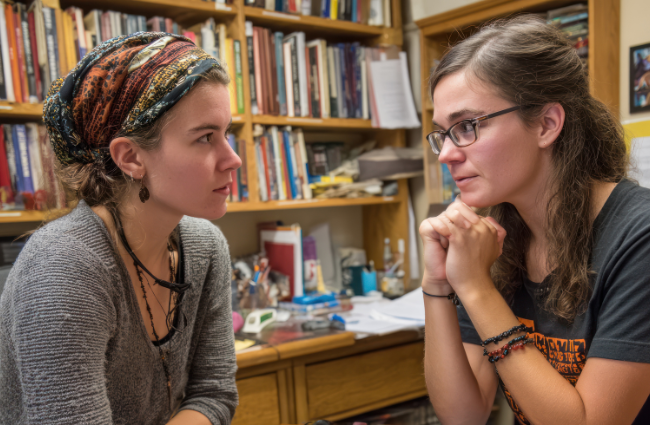
Listen to a Survivor Without Judgement
One of the most crucial ways to support a survivor of domestic violence is to listen without judgment. This means offering a safe space where the survivor feels heard and understood without fear of criticism or blame.
Many survivors of domestic violence may already feel isolated or ashamed, and judgmental reactions can further alienate them and make them less likely to seek help in the future.
When a survivor decides to confide in you, it’s essential to listen actively. This involves giving them your full attention, maintaining eye contact, and showing empathy through your body language and verbal responses. Acknowledge their feelings and experiences without interrupting or offering unsolicited advice. Instead, use affirming statements, letting the survivor know that you believe them and their story. These reassurances can help validate their experiences and reinforce that they are not to blame for the abuse they have endured.
It’s also important to resist the urge to offer immediate solutions or suggestions. Survivors often need time to process their emotions and consider their options. Ask open-ended questions if they seem comfortable, but be mindful not to press them for details they are not ready to share. Your role is to provide a supportive presence, letting them know they are not alone and that help is available whenever they are ready to seek it.
Remember, before offering any advice or guidance, consult a professional domestic violence advocate. This is always the best course of action in a dangerous situation.

With Permission, Help Document Abuse
Documentation provides a tangible record of abuse, which can be important for various legal and administrative processes.
Courts often require detailed evidence to issue protective orders, grant custody of children, or convict an abuser. In addition, documented evidence can support claims for social services, such as emergency housing or financial assistance. Having a well-maintained record can empower survivors by validating their experiences and providing a clear account of the abuse.
Ways to Document Abuse:
- Keep a Journal: Encourage the survivor to maintain a private journal where they can record incidents of abuse. This journal should include dates, times, locations, descriptions of the events, and any witnesses present. Details such as the abuser’s behavior, words, and actions should be noted. If the survivor is unable to keep a journal themselves, you can assist by documenting the information they share with you, with their consent.
- Photographic Evidence: Take clear photographs of any visible injuries, property damage, or other physical evidence of abuse. Ensure that each photo is dated. If possible, use a newspaper or another dated item in the photo to provide a time reference. These images can be invaluable in proving the occurrence and extent of the abuse.
- Medical Records: If the survivor seeks medical attention for injuries, these records can serve as critical evidence. Encourage them to keep copies of any medical reports, X-rays, or doctor’s notes that document the injuries and their causes. If the survivor permits, you can help them organize and store these documents securely.
- Police Reports: If the survivor contacts law enforcement, ensure they obtain and keep copies of all police reports, incident logs, and any other documentation provided by the police. These reports often contain detailed accounts of incidents and are essential for legal proceedings.
- Witness Statements: If there are any witnesses to the abuse, their statements can be valuable. Encourage the survivor to ask witnesses to write and sign statements detailing what they saw or heard. These statements should include the date, time, and location of the incidents, as well as the witness’s contact information.
- Communication Records: Save any threatening or abusive emails, text messages, voicemails, and social media interactions. These communications can provide concrete evidence of the abuser’s behavior. Make sure to back up these records in multiple secure locations to prevent loss.
Remember, gathering information must be done safely and with the consent of the survivor. Be mindful and safe, as this can risk danger if the abuser becomes aware.

Create a Safety Plan with the Survivor
Creating a safety plan is a critical step in helping a survivor of domestic violence prepare for potential danger and increase their safety.
Before any safety planning begins, it is best to speak with a professional domestic violence advocate.
A safety plan is a personalized and practical plan that includes ways to remain safe while in a relationship, planning to leave, or after leaving an abusive relationship. Remember, it is important to create a plan and leave a relationship when the survivor is ready. It is common for survivors to not want to leave right away for numerous reasons. Be patient with the survivor, and continue to provide support and be an active listener.
Creating a Safety Plan:
- Identify Safe Areas: Encourage the survivor to think about the safest places in their home. These should be areas with exits, and should avoid places where weapons might be accessible.
- Establish a Quick Exit Strategy: Work with the survivor to determine the quickest and safest routes out of their home. This might include doors, windows, elevators, or stairwells. If possible, it’s crucial to have multiple exit routes in case one is blocked. If digital tracking of a phone or car is a concern, plan in advance.
- Prepare an Emergency Bag: Advise the survivor to pack an emergency bag with essential items such as identification, birth certificates, financial documents, medications, keys, clothes, and important contact numbers. This bag should be stored in a safe place, possibly with a trusted friend or family member.
- Develop a Code Word: Create a code word or signal with the survivor that they can use to alert friends, family, or neighbors that they need immediate help. This can be particularly useful if the abuser is monitoring their communications.
- Build a Support Network: Help the survivor identify trusted individuals in their life who can provide emotional support and practical assistance. Encourage the survivor to stay connected and regularly check in with these people.
- Plan for Children and Pets: If the survivor has children, include plans for their safety and well-being in the safety plan. This might involve arranging a safe place for the children to stay during a crisis. Similarly, if pets are involved, identify safe options for them, such as a friend’s home or a pet shelter.
- Plan for the Next Day: Having to plan for the next day is vital to ensuring that the survivor knows where they are going to go once they leave. It is important to let their place of employment know what is occurring, secure an order of protection against the abuser, and even change up their routine for safety reasons.
Remember, taking steps like making a safety plan can be extremely dangerous in an active abusive situation. Please consult a domestic violence advocate before taking any sort of action.

Plan for Financial Independence
Financial independence and self-sufficiency are critical components in breaking free from an abusive relationship.
Helping survivors of domestic violence become more independent is one of the most critical parts of their journey to recovery and empowerment. Here are several steps and strategies to guide survivors towards becoming more financially independent. This can be as simple as helping the survivor opening a personal checking and savings account so they don’t have anyone else controlling their finances.
Ways to Promote Financial Independence:
- Opening a Separate Bank Account: Encourage survivors to open a private account in their own name, ideally at a different bank than the one the abuser uses. Help them set up online banking with secure passwords and paperless statements to reduce the chance of discovery.
- Building Credit: Survivors may benefit from applying for a secured credit card or becoming an authorized user on a trusted friend or family member’s account. This helps establish credit without alerting the abuser.
- Finding Employment or Job Training: Work with survivors to identify safe job opportunities or vocational training that fits their situation. This may include remote work, part-time employment, or community workforce programs that also provide childcare or transportation support.
- Accessing Public Benefits: Survivors may qualify for assistance such as SNAP (food benefits), TANF (temporary cash aid), childcare subsidies, or housing vouchers. A legal or advocacy professional can help navigate applications and ensure safety if an abuser monitors mail or records.
- Creating a Safety Fund: If possible, survivors can set aside small amounts of cash with a trusted friend, family member, or advocate. Even minimal savings can provide critical flexibility during a crisis.
- Financial Education and Coaching: Referrals to nonprofit financial empowerment programs can help survivors learn budgeting, debt management, and long-term planning, all at a pace that feels safe and manageable.
Remember, opening a bank account, starting a job, or hiding money can be extremely dangerous in an active abusive situation. Please consult a domestic violence advocate before taking any sort of action.
Connect the Survivor with Resources
Calling and speaking with a professional domestic violence advocate is the best way to determine a safe path forward, no matter your situation.
Hotlines & Services:
- Hotlines
- Maricopa County Domestic Violence Hotline: 480-890-3039
- AZ Coalition to End Sexual and Domestic Violence: 1-800-782-6400
- National Domestic Violence Hotline: 800-799-7233
- A New Leaf’s Sexual Violence Hotline: 480-733-3028
- RAINN’s National Sexual Assault Hotline: 1-800-656-4673
- Services
- Safe Shelter: a stable place to call home while you recover
- Court Advocacy: get emotional support in navigating court proceedings
- Healing Services: find a community of supporters who will help you recover
Get Involved in Helping Organizations
Supporting survivors can also mean donating or volunteering with A New Leaf or another nonprofit serving survivors, helping provide the resources needed for safety, healing, and independence.
Donating to organizations that support survivors of domestic violence can make a significant impact by providing essential services, shelter, counseling, and resources. A New Leaf helps individuals and families overcome the challenge of domestic violence. All donations are used locally within the Valley to support their shelters, counseling services, and community programs. If you choose, there are other local Arizona nonprofits that aid survivors of domestic violence in a multitude of ways.
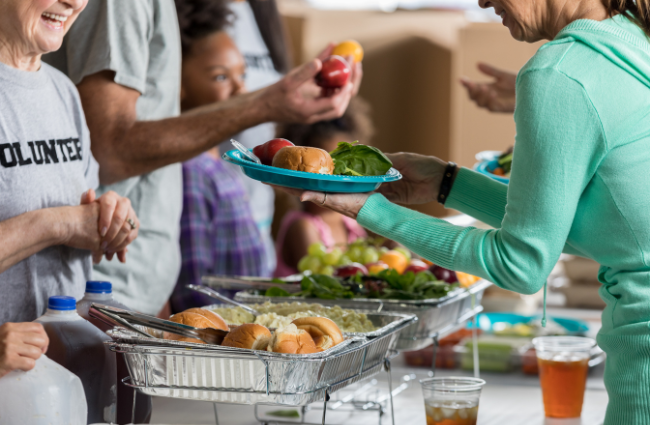
Volunteering to support survivors of domestic violence can make a significant difference in their lives, providing essential services and emotional support. Various organizations offer opportunities to volunteer, from working directly with survivors to assisting with administrative tasks and fundraising efforts. Consider volunteering with A New Leaf or another local nonprofit near you.
Remember, most nonprofit organizations serving survivors of domestic violence rely heavily on donations and volunteers to operate. If you are able to contribute, consider making a donation or serving as a volunteer!

Advocate for Awareness & Policy Change
Advocating for awareness and policy change is crucial in addressing domestic violence effectively.
Raising public awareness can be achieved through educational campaigns, community involvement, and media advocacy. Educational campaigns inform the public about the signs and impacts of domestic violence, while community involvement through events and forums fosters a supportive environment for survivors. Media advocacy, such as writing opinion pieces and participating in interviews, helps keep the issue in the public eye.
Influencing policy change involves legislative advocacy, grassroots mobilization, and forming partnerships. Legislative advocacy includes lobbying and providing testimony to support bills that protect survivors. Grassroots mobilization, such as organizing petitions and rallies, demonstrates public support for policy changes. Partnerships with other organizations amplify advocacy efforts and create a unified front for policy change.
Supporting policy implementation is equally important. This can be done by monitoring and ensuring accountability for enacted policies and providing training for professionals who work with survivors. Monitoring involves checking that laws are effectively enforced and advocating for necessary resources.
Remember, advocates can create a safer environment for survivors and work towards ending domestic violence through awareness and policy change!
How You Can Help Survivors of Abuse
Start by Listening
By showing empathy, patience, and understanding, you create a safe space for survivors of abuse to begin rebuilding their lives.
Speak to a Professional
Encouraging a survivor to safely seek help through a professional is the best step you can take. The experts are best equipped to help!
Engage in Services
Help the survivor to follow the recommendations of a domestic violence expert. Secure safe shelter, court protections, and begin healing services if needed.
Donate to Help Survivors
Contribute to local domestic violence shelters, every dollar helps fund shelter beds, court advocacy, and healing services.
Volunteer Your Time
Make a hands-on impact by volunteering to serve meals at a shelter, participate in a fundraising event, or help raise awareness.
Advocate for Change
Engage the State, County, and Cities to support policy reforms and raise awareness to help prevent abuse.
Get the Full Guide
Ready to learn more? Download the complete 20-page guide, packed with actionable tips, safety checklists, and survivor-focused resources.
Related Resources

What is Domestic Violence?

Who Experiences Domestic Violence?
Learn who experiences domestic violence, how it affects all ages and backgrounds, and why awareness is key to supporting survivors.