
Who Experiences Domestic Violence?
Understand the experiences of different people who face domestic violence and how their identity affects their path towards healing.
Resource Length: 20 mins | Published 2025
Download the full report now:
If you are in an active domestic violence situation, you are advised not to download this report for safety reasons. All information is available on this webpage.
Content Warning
The following section discusses domestic violence, including descriptions that some readers may find distressing. Please use your discretion before reading further. If you need support now, contact the National Domestic Violence Hotline at 1-800-799-SAFE (7233) or text START to 88788. If this is an emergency, please call 911.
This material is published by A New Leaf, Inc. Its purpose is to summarize and provide a general overview of domestic violence issues and possible responses. It is not intended as legal advice or as medical or behavioral health advice or treatment. It is not a substitute for individual professional consultation or for intervention or emergency response by law enforcement or legal process.
A Letter From the Expert
Dear Reader,
By visiting this page, you’ve already taken a huge leap in wanting to understand how to help yourself or a loved one experiencing domestic violence. The bravery of this action is not lost on me, and your strength inspires me. At A New Leaf, we recognize how challenging it can be to ask for help or to provide help to someone else. Rest assured that you are no longer alone in your journey. We are here to provide you with every resource available to support your safety and healing.
The article ahead represents important information about who experiences domestic violence, and may also chart your path to leaving a dangerous situation. Be patient and graceful with yourself as you navigate this journey and remember that A New Leaf is always here for you. We hope you find this content incredibly empowering and resourceful.
If you came to this page as someone simply wanting to learn more about this issue, thank you for joining our effort to end abuse.
Educating yourself on the reality of domestic violence is a powerful way to change how you, and communities as a whole, respond to this issue. Providing the correct help, in the correct way, can result in much better outcomes for everyone involved.
But remember, always consult with an expert in the field of domestic violence before taking action. While this information may be helpful, it is not exhaustive and every situation is different. A simple call to a hotline, meeting with an advocate, or another form of outreach will ensure you make the best choices possible. Always seek help from a professional.
Yours in solidarity,
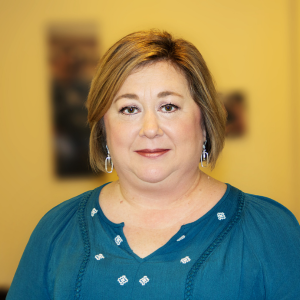
Dana Martinez
Director of Domestic Violence Services
A New Leaf
Female Survivors of Domestic Violence
Domestic abuse, also known as intimate partner violence, is a serious and pervasive issue that affects women at a disproportionate rate.
30% of women have experienced domestic violence
According to the World Health Organization, 30% of women worldwide have experienced physical or sexual violence from an intimate partner at some point in their lives.
1 in 3 women in the U.S. have experienced domestic violence
According to the National Domestic Violence Hotline, 1 in 3 women in the United States have experienced severe physical violence by an intimate partner at some point in their lifetime.
Majority of victims of intimate partner violence are women
According to the National Coalition Against Domestic Violence, 1 in 3 women and 1 in 4 men have experienced some form of physical violence by an intimate partner. However, women are more likely than men to experience severe physical violence, sexual violence, and stalking by an intimate partner.
Women who experience domestic abuse are at a higher risk of homicide
According to the American Journal of Public Health, women who are separated from their abusive partners are 3 times more likely to be murdered than women who are still in the relationship.
Female domestic violence survivors are more likely to have long-term health complications
According to the American Psychiatric Association, women who experience domestic abuse are more likely to suffer from long-term health problems, such as chronic pain, gastrointestinal disorders, and depression.

LGBTQ+ Survivors of Domestic Violence
Studies suggest that rates of domestic abuse in same-sex relationships are similar to or even higher than those in opposite-sex relationships.
Domestic abuse can occur in any type of relationship, including those within the LGBT community. According to the National Coalition of Anti-Violence Programs (NCAVP), LGBTQ+ individuals experience intimate partner violence at similar or higher rates than heterosexual individuals.
LGBTQ+ individuals may face unique challenges when it comes to domestic abuse, such as discrimination and lack of support. This community also often face additional barriers to seeking help, including fear of being outed, lack of resources specific to LGBTQ+ individuals, and discrimination or bias from law enforcement or service providers.
Transgender individuals are particularly vulnerable to domestic abuse, with studies showing that up to 50% have experienced intimate partner violence in their lifetime according to a report by the National LGBTQ Task Force.
This higher risk of domestic violence and abuse for transgender individuals can be attributed to several factors, including discrimination, prejudice, and social stigma. Transgender individuals often face harassment, bullying, and violence due to their gender identity or expression, which can lead to increased vulnerability and exposure to abusive situations.
There are substantial differences in violence within subgroups of the LGBTQ+ Community that must be considered
According to the National Institutes of Health, we know that certain population experience rape, physical violence, or stalking by an intimate partner at very different rates: 35% heterosexual women, 61% bisexual women, 26% gay men, 44% lesbians, 29% heterosexual men, and 37% bisexual men.
Domestic abuse can occur in any type of relationship, including those within the LGBT community.
According to the National Coalition of Anti-Violence Programs (NCAVP), LGBTQ+ individuals experience intimate partner violence at similar or higher rates than heterosexual individuals.
LGBTQ+ individuals may face unique challenges when it comes to domestic abuse, such as discrimination and lack of support. There may also be additional barriers to seeking help, including fear of being outed, lack of resources specific to LGBTQ+ individuals, and discrimination or bias from law enforcement or service providers.
Transgender individuals are particularly vulnerable to domestic abuse, with studies showing that up to 50% have experienced intimate partner violence in their lifetime according to a report by the National LGBTQ Task Force.
This higher risk of domestic violence and abuse for transgender individuals can be attributed to several factors, including discrimination, prejudice, and social stigma. Transgender individuals often face harassment, bullying, and violence due to their gender identity or expression, which can lead to increased vulnerability and exposure to abusive situations.
There are substantial differences in violence within subgroups of the LGBTQ+ Community that must be considered
According to the National Institutes of Health, we know that certain population experience rape, physical violence, or stalking by an intimate partner at very different rates: 35% heterosexual women, 61% bisexual women, 26% gay men, 44% lesbians, 29% heterosexual men, and 37% bisexual men.
Black Survivors
Black individuals experience systemic racism and discrimination in many areas of life, impacting housing, education, and employment. These factors can contribute to an increased risk of domestic abuse.
Black women are 3x more likely to experience death
According to the National Domestic Violence Hotline, Black women are almost three times more likely to experience death as a result of domestic violence than White women.
Black women are more likely to experience severe physical abuse
A study published in the Institute for Women’s Policy Research found that Black women were much more likely to experience severe physical abuse from an intimate partner.
Black women are twice as likely as White women to experience domestic violence
A report by the Bureau of Justice Statistics found that Black women experienced domestic violence at a rate of 4.4 per 1,000 individuals, which was higher than the rate for White women (1.8 per 1,000 individuals).
Black men are at higher risk of witnessing domestic violence
A study by the Journal of the Society for Social Work and Research found that Black men were more likely to witness and later engage in domestic violence. The reasons for this are complicated, historical, and we should not pass judgement – this information helps us understand who is most at risk of experiencing abuse and perpetrating abuse.
Indigenous Survivors
The lack of resources and legal jurisdiction to prosecute non-Native American perpetrators on tribal lands has been a major barrier in addressing domestic violence in Indigenous communities.
Experience the highest rates of domestic violence
Native American and Alaska Native women experience assault and domestic violence at much higher rates than women of any other ethnicity. According to the National Institute of Justice, approximately 84% of Indigenous women experience domestic violence, compared to 1 in 3 of average US women who experience physical violence by an intimate partner at some point in their lifetime.
Are 3x more likely to experience sexual violence
According to research published in Gender Issues, Native Americans are 3 times more likely to experience sexual violence than any other ethnic group. Over half of Native American women report having experienced sexual assault.
More than half experience physical violence and/or psychological abuse
Gender Issues research also found that 55.5% of Native American women experience physical intimate partner violence in their lifetimes; 66.6% experience psychological abuse.
Extreme rates of murder, stalking, and PTSD
On some reservations in the United States, the National Congress of American Indians have found that the murder rate of Native women is 10 times higher than in the rest of the nation. 17% of Native American and Alaska Native women have been stalked. Native American/Alaska Native children experience PTSD at the same rate as combat veterans from the Iraq and Afghanistan wars.
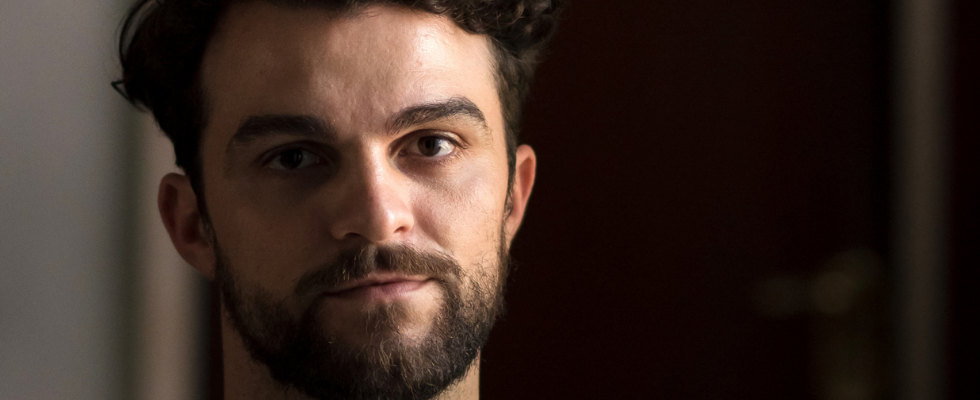
Male Survivors
Contrary to stereotypes, 1 in 9 men experience abuse in the United States. Gender stereotypes and societal expectations can discourage this population from seeking help.
Stigmas and shame can prevent men from seeking help
Society often portrays men as the aggressors in domestic violence, which can perpetuate male victims feelings of stigma and shame. The notion that men should never be a victim (or even could never be a victim) can make it difficult for a survivor to acknowledge and confront their experiences of abuse. The Journal of Interpersonal Violence has found this often discourages male survivors from seeking services.
Fewer DV resources are geared towards men
Furthermore, societal attitudes towards male survivors of abuse can differ from those towards female victims. The Journal of Interpersonal Violence found that male victims may face additional barriers when seeking help, such as a lack of available resources and support services specifically designed for male survivors.
It is important to recognize and address these societal factors and gender stereotypes that contribute to the stigma and barriers faced by male survivors of abuse. Together, we can create a more inclusive and supportive environment that recognizes the unique experiences and needs of all survivors, regardless of gender.
Challenge stereotypes to create empathy and understanding
By challenging these harmful stereotypes and creating more accessible and inclusive support services, society can help male victims feel more empowered to come forward and seek the help they need. Create a culture of empathy and understanding, where survivors are not judged or blamed for their experiences, and are instead met with compassion and support. It is okay to ask for help. No one should have to be afraid or feel unsafe in their relationship.

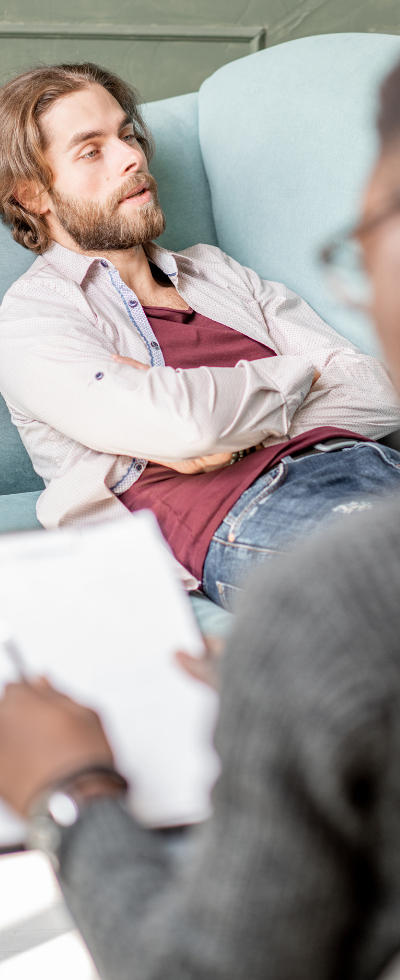
Perpetrators of Abuse
Perpetrators of abuse should seek professional assistance to change their violent or controlling behaviors. While it may be easy to villainize perpetrators of domestic violence, it’s important to remember abuse is a learned behavior.
Those who engage in abusive behavior need help to end their behavior
There are a multitude of reasons why a partner may resort to domestic violence, even if the act itself is inexcusable. This is why it is so valuable to have open dialogues about domestic abuse with friends, family, and in the community. The eyes of a perpetrator who is unaware of their unhealthy behaviors may be opened, allowing them to see what they are doing to those around them.
However, it is important to remember these behavior patterns are often deeply ingrained and difficult to change without professional help from an individual trained in counseling abusers. Seeking help is highly recommended to those who believe they may have engaged in abusive behavior towards another.
Never seek joint treatment
While it is encouraged for all perpetrators of abuse to seek counseling, the victim and their abuser should not be encouraged to participate in couples therapy (NDVH). This is known to be a dangerous activity and often becomes another method for the perpetrator to abuse and control the victim. Perpetrators must seek independent treatment of their own volition and work with a professional to mitigate their behaviors.
Reasons people engage in domestic violence
Common reasons that someone might be particularly susceptible to perpetrating domestic abuse include:
1. They experienced domestic violence in their family of origin
2. The beliefs and values of their core friend group or community
3. Structural inequities throughout society
4. Mental health complications
5. Feeling a of lack of control
6. A lack of understanding of what constitutes abuse
7. Popular culture influences
Resources at a Glance
Hotlines & Services:
- Hotlines
- Maricopa County Domestic Violence Hotline: 480-890-3039
- National Domestic Violence Hotline: 800-799-7233
- A New Leaf’s Sexual Violence Hotline: 480-733-3028
- RAINN’s National Sexual Assault Hotline: 1-800-656-4673
- Services
- Safe shelter: a stable place to call home while you recover
- Court advocacy: get emotional support in navigating court proceedings
- Healing services: find a community of supporters who will help you recover
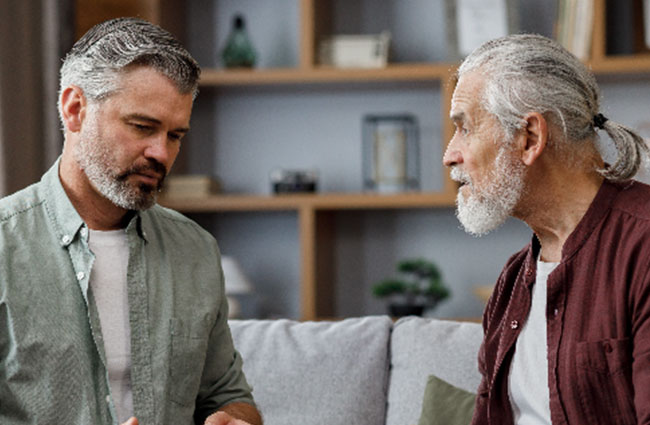
How You Can Help Survivors of Abuse
Start by Listening
By showing empathy, patience, and understanding, you create a safe space for survivors of abuse to begin rebuilding their lives.
Speak to a Professional
Encouraging a survivor to safely seek help through a professional is the best step you can take. The experts are best equipped to help!
Engage in Services
help the survivor to follow the recommendations of a domestic violence expert. Secure safe shelter, court protections, and begin healing services if needed.
Donate to Help Survivors
Contribute to local domestic violence shelters, every dollar helps fund shelter beds, court advocacy, and healing services.
Volunteer Your Time
Make a hands-on impact by volunteering to serve meals at a shelter, participate in a fundraising event, or help raise awareness.
Advocate for Change
Engage the State, County, and Cities to support policy reforms and raise awareness to help prevent abuse.
Get Your Full Guide Now
Want to dive deeper into these topics and access even more actionable advice? Get the full PDF guide delivered to your inbox and learn more about domestic violence.
See other publications from A New Leaf

What is Domestic Violence?

How to Help a Survivor of Domestic Violence
Learn how to help a survivor of domestic violence with safe, practical tips. Discover ways to help promote safety, healing, and independence.