
How To Help Homeless Neighbors
Learn how you can make a difference through compassion, advocacy, and action. Give hope to a neighbor in need!
This material is published by A New Leaf, Inc. Its purpose is to summarize and provide a general overview of homelessness issues and possible responses. It is not intended as legal advice or as medical or behavioral health advice or treatment. It is not a substitute for individual professional consultation or for intervention or emergency response by law enforcement or legal process.
Resource Length: 15 mins | Published 2025
Download the full report now:
A Letter From the Expert
Dear Reader,
It is important to recognize how close each and every one of us is to homelessness at any moment. Something as simple as a lost job, a car crash, an illness or some other circumstance can quickly leave someone without a home. Most Arizonans live paycheck to paycheck, keeping up with rent and bills but never getting ahead.
In the last several years, housing costs have skyrocketed. More families than ever before have been pushed to the brink of homelessness. The threat of living without safety is a constant fear for many families across The Valley.
But there is good news. We can all take action to help those affected by homelessness. This guide is your starting point. It is our hope that this document will inspire you to have compassion for those experiencing homelessness, and perhaps, take action.
There is strength in asking for assistance, and you will be treated with the dignity you deserve. If you are currently experiencing homelessness, you are not alone. Please reach out for help today.
At A New Leaf we want to ensure every person recovering from homelessness receives full support as they rebuild their lives and get back on their feet. We offer affordable housing solutions, emergency rent and utility assistance and shelter for those in need.
Homelessness is a challenge that can be overcome but only if we decide as a community that it is worth solving. Asking for help and giving help to others are equally important. No matter where you are on your journey, please join us as we work to help those experiencing homelessness.
Thank you for reading,

Michelle Boyle
Director of Housing
A New Leaf

Introduction to Homelessness
If you want to help those experiencing homelessness in your community, there are two ways to effectively do this. You can help people who are currently homeless, or you can help prevent homelessness before it occurs.
We have a responsibility as a community to look out for one another when we fall on hard times. If a family or individual asks for help to overcome homelessness, our entire community is made stronger and healthier when we empower that family or individual to help themselves. With the proper support, resources and compassion, anyone can overcome the challenge of homelessness if they want to. There is always hope.
If you want to help prevent homelessness in the first place, this can be a little more challenging. Availability of affordable housing, quality of employment opportunities, educational access and so much more can influence who ends up homeless. However, there are a variety of tangible actions everyone can take to make housing more affordable, accessible and permanent. You have the power to enact real change in your local community by speaking up, taking action and advocating for change!
Before you start advocating, understanding the issue of homelessness is incredibly important. Knowing what homelessness is, how it affects your community, and who experiences it is crucial.
We must also recognize the importance of treating people who are homeless with the dignity and respect that they deserve. Although we may say that someone is a “homeless person,” it does not mean that they are defined by their homelessness. They are individuals with hopes, dreams and stories. The vast majority of individuals experiencing homelessness did not choose this path but were forced into it by circumstances beyond their control. They deserve the same level of respect and dignity as any other person.

Homelessness in the Valley
The Valley is facing an immediate crisis of homelessness and spreading awareness and mobilizing our neighbors is crucial.
Summary of Homelessness in the Valley:
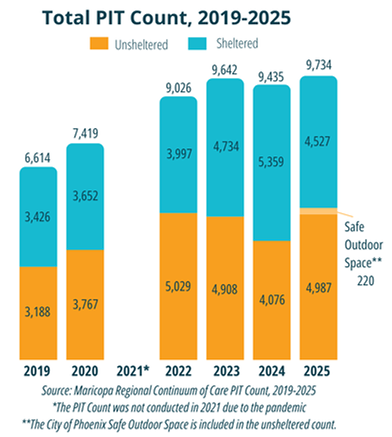
According to the 2025 Maricopa Association of Governments (MAG) Point-in-Time (PIT) Count, on any given day over 9,734 of our neighbors are living on the streets and struggling with homelessness in Maricopa County. Unfortunately, the community’s resources are limited and local shelters have a limited number of beds available, leaving many without shelter.
Experts believe the actual number of people experiencing homelessness is likely much higher than what is estimated due to weather, volunteer availability, and other factors that make it hard to get a complete, accurate count. on street corners with signs. Others are hidden from view, living in their car, in alleyways, or even in riverbeds and canals.
Common Causes of Homelessness:
Understanding the causes of homelessness begins by setting aside judgment and the tendency to assign blame. Homelessness has many causes that are complicated, confusing, and often stigmatized. However, every person is deserving of compassion and understanding, especially when they are facing the challenge of homelessness. In that spirit, approach these causes of homelessness with an open mind, and focus on all the good that can be done to help. These are some common causes:
- Unaffordable housing
- Domestic violence
- Job loss and underemployment
- Foreclosure or eviction
- Addiction or substance use
- Mental illness
- Post-traumatic stress
- Displaced youth
- Social isolation and broken relationships
- Grief and despair
Remember, approach these causes of homelessness with an open mind, and focus on all the good that can be done to help.

Most Important, Respond with Kindness
Homelessness in the Valley impacts many people, and understanding who is affected is an important step toward creating solutions and support.
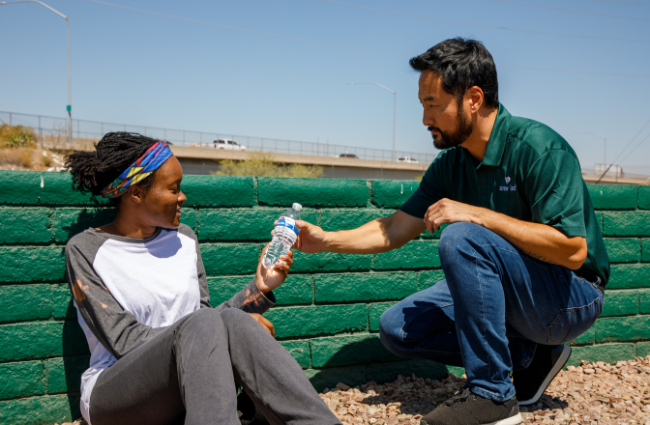
You can make quite a difference in the lives of homeless individuals when you respond to them, rather than ignore or dismiss them. Everyone is human. Research shows this simple approach can be powerful for our neighbors on the streets.
Experiences can affect everyone differently. Think to yourself, “What if that were me?” Try a kind word and a smile. People who are homeless tend to be ignored. Even if you can’t help at the moment, something as small as a “Have a great day!” or “God bless!” can help raise the spirits of these individuals who are disregarded every day.
Making eye contact is a simple way to let those struggling with homelessness know that you are listening. Being treated without dignity is something no one wants to feel. Ask them how they are doing or if they need help. Keeping contact information for homeless hotlines and resources can also be helpful.
Remember that your safety and comfort are also important aspects when interacting without someone experiencing homelessness. Maintain your personal boundaries and disengage if you feel that someone is becoming irritable or aggressive.
Remember, starting from a place of compassion and understanding is crucial if you want to help someone.

Use Your Voice and Vote to Create Change
Now that you’ve taken the time to better understand how and why homelessness happens, one of the most important next steps is to talk about it and take action.
Speak up and get involved:
Conversations with family, friends, neighbors, and coworkers are some of the most effective ways to spread awareness and shift perspectives. Many people simply do not realize how common and complex homelessness is until someone they trust helps them see it differently.
This may also give you a chance to get your church, employer, or other group more involved in the community. Encourage them to volunteer, donate, or advocate themselves! When people see you care about this issue, they may want to help.
When you engage the people around you in open, respectful dialogue, you begin to challenge harmful stereotypes and reduce stigma. These conversations can humanize the issue and highlight the difficult circumstances that lead to homelessness, such as job loss, domestic violence, or medical emergencies.
Use the power of your vote to create change:
Your vote is one of the most powerful tools you have to create lasting change. The decisions made by elected leaders affect affordable housing policies, shelter funding, tenant protections, access to mental health care, and income support programs.
Supporting candidates and ballot measures that prioritize housing stability and poverty reduction can lead to meaningful improvements for individuals and families in crisis. Staying informed and encouraging others to vote on these issues can significantly influence how your community responds to homelessness.
Remember, taking action at the local level and using your voice to encourage others to take action can be transformative.
Volunteer Your Time
The simplest and most powerful way to help is to be kind to those facing homelessness.
Why Volunteering Matters:
Organizations serving the homeless offer many opportunities to volunteer for the homeless population, for groups and individuals. Serve directly in a shelter, help in a donation center, or help by doing clerical work. There is always a place to serve, and organizations will be happy to have you!
When you give your time, you help restore dignity and build trust. Your presence shows that someone cares, reminding people that they are not invisible and not alone. The impact of showing up, consistently and compassionately, can ripple far beyond a single day of service, creating lasting change for those who need it most.
Volunteer by Serving Meals:
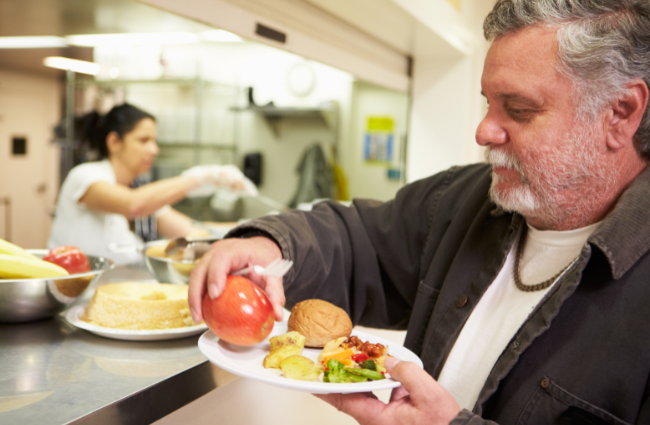
Shelters and soup kitchens rely on the dedication of volunteers to serve those in need with dignity and care. While serving meals is one of the most essential and rewarding ways to get involved, volunteers take on many important roles that help create a safe, welcoming space for individuals and families experiencing homelessness.
Volunteers play a big role in making shelters run. Some prepare and serve meals, while others pick up donated food to keep the kitchen stocked. In the kitchen, volunteers help with chopping, cooking, and organizing, making sure everything is ready when guests arrive. Every task matters.
Remember, shelters and kitchens for those experiencing homelessness count on people like you to operate.
Participate in a Donation Drive
Donating food, clothing, or other essentials can change someone’s life forever.
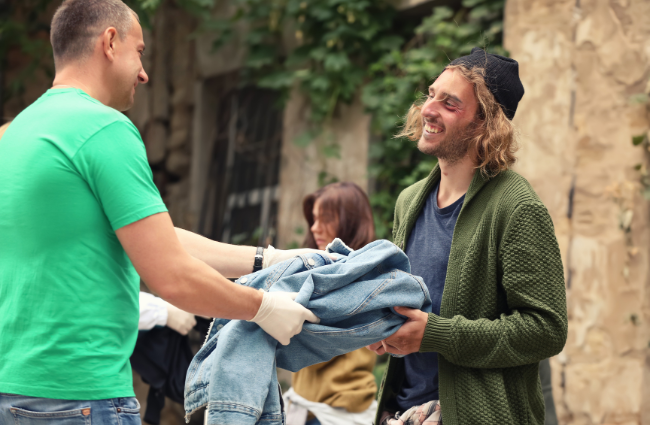
A donation drive is a coordinated effort to collect specific items, like clothing, food, or hygiene supplies, for people in need. They’re often organized by schools, workplaces, faith groups, or neighborhoods to support local shelters and nonprofits.
Bringing food to those in need is one of the most common ways people want to help. Many people feel inspired to hand out food directly to someone they see on the street or to buy an extra meal to give away. While this gesture comes from a place of kindness, it is not always the most effective or safest way to help.
The best way to make a lasting impact is to support the local organizations that are already equipped to serve people experiencing homelessness. Shelters, food banks, and mobile outreach teams understand the dietary needs, health considerations, and safety protocols that go into providing meals consistently and responsibly.
If you want to help, consider donating shelf-stable food items, bottled water, or ready-to-eat meals to local shelters and food programs. Before donating, reach out to ask what items they need most—needs change often, and giving what’s requested ensures nothing goes to waste. You can also organize a food drive through your workplace, school, or place of worship to gather essentials like canned goods, pasta, and snacks.
Making sure frontline organizations have the food and resources they need is one of the most reliable ways to support your neighbors facing hunger and homelessness. When we give in ways that meet real needs, we help our community stay strong, safe, and cared for.
Remember, taking action individually can be impactful, but it is usually best to go through an existing organization that knows how to safely serve our homeless neighbors.
Consider Making a Donation
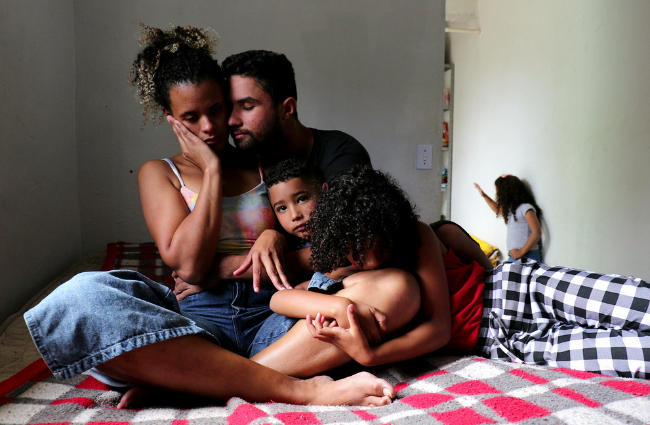
One of the most direct ways to aid the homeless is to give support financially. Donations to non-profit organizations that serve the homeless go a long way.
One of the most effective and direct ways to support people experiencing homelessness is by making a financial donation to a local nonprofit or shelter. While giving food, clothing, or supplies is incredibly helpful, financial support allows organizations to respond flexibly and address the full range of needs people face when trying to get back on their feet.
Shelters and service providers rely on donations to fund everything from meals and beds to staffing, case management, mental health care, transportation assistance, and housing navigation. Financial gifts make it possible to hire trained professionals who help individuals and families move from emergency shelter into long-term stability. This behind-the-scenes work like paying rent deposits, covering utility bills, or helping someone get their ID to apply for a job is all critical to breaking the cycle of homelessness. But, it only happens when resources are available.
Whether your gift is $5 or $500, every donation adds up. Your generosity helps create a stronger, more responsive safety net for our neighbors experiencing homelessness. It’s a way to invest in real solutions—and to make sure no one has to face this journey alone.
Remember, shelters and kitchens for those experiencing homelessness count on people like you to operate.
Access Services
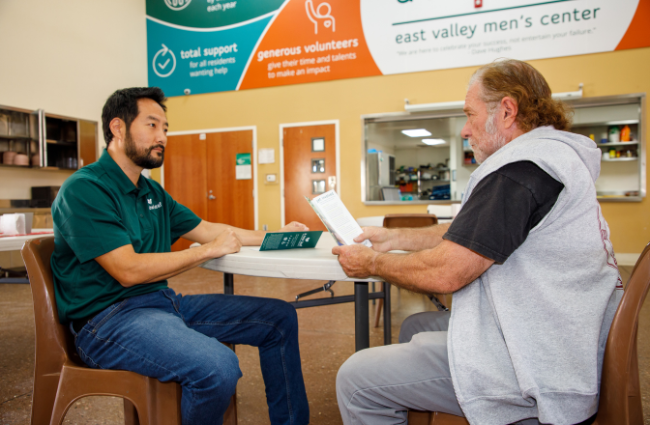
Calling and speaking with a housing or shelter professional is the best way to determine a stable path forward, no matter your situation.
Hotlines:
Nearly all placements for shelter in Arizona are managed through 211 referrals. If you are seeking services please go through this phone number. Calling individual shelters will typically result in a referral to 211.
Services:
- Eviction Prevention: assistance with rent and utilities, helping to prevent homelessness before it occurs
- Emergency Shelter: up to 120 days in a temporary shelter
- Rapid ReHousing: assistance with move-in expenses and rent after experiencing homelessness
- Affordable Housing: apartments made to be affordable for lower-income households, meant as a permanent home
Download the PDF of this report:
Related Resources

The State of Homelessness in the Valley
Learn about the state of homelessness in the Valley. Discover key facts, causes, and community responses to address housing and support needs.